


The CBA Agreement Is Here: This Is What It Means to WNBA Players

By Francisca Lorca
After 17 months of negotiations, the Women’s National Basketball Players Association (WNBPA) has reached a new tentative Collective Bargain Agreement (CBA) deal for the 2026 season that starts in May. This contract is the bridge between players and the WNBA towards better working conditions and salaries after the previous contract ended in October 2025.
“I’m going to set the record straight here. I will be staying in New York. I’m not planning on taking any free agency meetings even though I am an unrestricted free agent. (...)
I’m gonna be back in New York and that’s all there is to it.” says Brianna Stewart — New York Liberty player and three-time WNBA champion — on her iHeart Media podcast Game Recognizes Game with NBA player Myles Turner this past Tuesday, April first.
Free agent players, who are not under contract with teams, have more leverage when the time comes to negotiate their salaries. According to Spotrac, out of the 156 roster spots available for the 2025 season, 123 players will be available to sign as free agents for the upcoming season. This allows them to receive all the new benefits the upcoming contract has to offer. As reported by ESPN, these changes will be implemented in the settlement to come:
20% of all revenue that comes in.
Salary increases ranging from $300,000 to $1.4 million supermax for elite veterans.
Charter travels (which initiated in 2024) for comfort, health, and recovery from injuries.
Larger medical staff when injuries occur, letting players choose a second opinion covered at the team’s expense.
Rights to mothers where consent from them is needed for possible trades. This comes as a result of a lawsuit from Dearica Hamby against the Las Vegas Aces, where she mentions the reason she got traded to the Los Angeles Sparks was because of her pregnancy.
12-member guarantee roster. Injuries are common and happen every season; this lets teams have all members when others are on recovery.
Cash prices for performance are doubling, or tripling in some cases. Championship titles, MVP, and all-WNBA first and second teams will also be given higher cash awards this time.
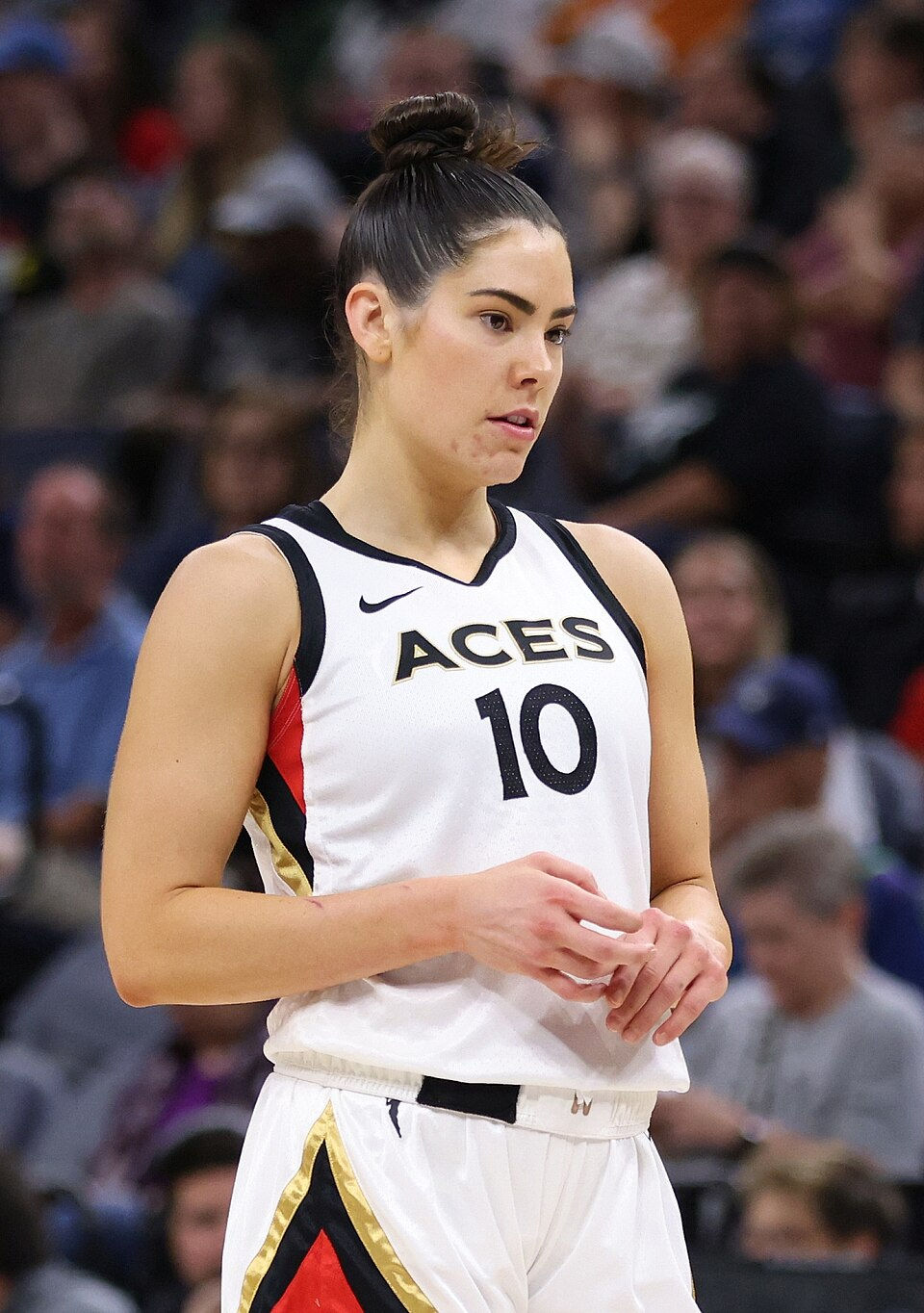
WNBPA Executive Committee Nneka Ogwumike, Napheesa Collier, Breanna Stewart, Alysha Clark, Brianna Turner, and Kelsey Plum were key participants in the negotiation. Long hours and intense bargaining throughout a week, with 100-hour discussions to get to an agreement.
“We love this game enough to push for what it can become, not just for ourselves, but for those who built this league and those who will carry it forward. This agreement reflects that shared commitment, with players owning their value and future alongside a league growing stronger because of it,” said WNBPA President Nneka Ogwumike.
“Since its inception, the WNBA has been shaped by extraordinary athletes who believed in the league’s future. The agreement is a testament to that belief and to the tremendous progress we have achieved together,” Cathy Engelbert declares, according to the WNBA’s website.
Veteran players like A’ja Wilson, Breanna Stewart and Napheesa Collier are expected to reach the new maximum salary at $1.4 million. Elite rookies soon to be drafted may receive up to $300,000 in their first contract; back pay compensation will be given to retired players depending on their years of service.
This agreement comes right on time, when the WNBA is soon to celebrate their 30-year anniversary, making it their biggest accomplishment towards women’s sports, with salaries that reflect better working and professional conditions.

Francisca Lorca was born and raised in Chile and immigrated to the United States in 2015. She is a junior majoring in Political Science and Communications, with a concentration in journalism, and minoring in theatre. Francisca transferred to CCNY in the Spring of 2025, returning to college after ten years. She has also worked in catering and as a server for years before returning to college. While also being neurodivergent, Francisca is a mother who strives to serve as a role model for her daughter. Her interests include: investigative journalism and finding ways to support immigrant rights and uplift those with similar backgrounds and experiences, crocheting, reading plays, and theater.


Comments